


Fordham University Press • Published 2008
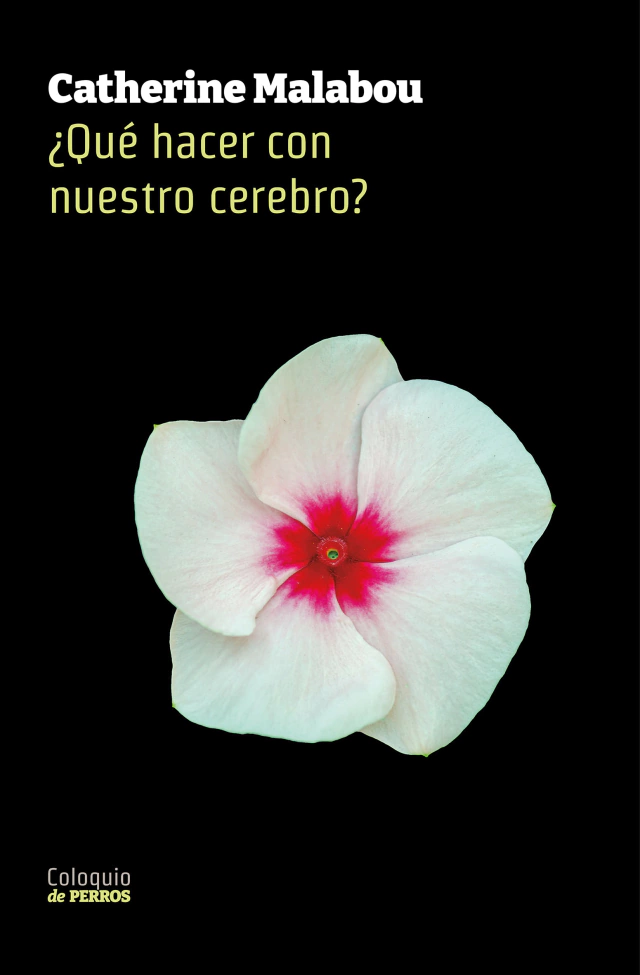
What Should We Do with Our Brain?
Alternative title: Que faire de notre cerveau ?
Synopsis
What does it mean to discover that our brain can change if the societies we live in seem to demand, above all, adaptation? Catherine Malabou places this tension at the heart of What Should We Do with Our Brain?, originally published in French in 2004. Her point of departure is neuronal plasticity: the nervous system is not fixed once and for all by an immutable program but undergoes processes of modification, reorganization, and the formation of connections throughout experience.
The philosopher nevertheless resists turning this discovery into an easy celebration of the capacity to adjust to one’s surroundings. Plasticity is not the same as mere flexibility. What is flexible accommodates itself to the conditions it encounters; what is plastic can also receive a form, generate new forms, and, in certain contexts, break with a previous configuration. This conceptual difference becomes political when contemporary managerial discourse extols networks, versatility, mobility, and adaptation as mandatory individual virtues.
Malabou examines a troubling convergence: while neuroscience describes a decentralized, dynamic brain open to its own history, the language of economic organization demands workers who can constantly reinvent themselves. To what extent does the scientific image of the brain illuminate new possibilities for freedom? And when does it begin to legitimate renewed forms of obedience? Her argument does not reduce social structure to neurons or treat biology as destiny. Rather, it examines the relationship between knowledge of the nervous system, representations of subjectivity, and historically specific forms of government.
The book thus shifts an apparently technical question into a problem of collective responsibility. Awareness of cerebral plasticity is not enough if that awareness merely prepares us to endure external demands. The question is whether we can actively participate in shaping our ways of life. At the intersection of philosophy and neuroscience, Malabou offers a critique of adaptive docility and calls on us to think transformation without confusing it with the obligation to conform.
Book details
- Author
- Catherine Malabou
- ISBN
- 9780823229536
- Year
- 2008
- Publisher
- Fordham University Press
- Country of publication
- Estados Unidos
- Translation
- Sebastian Rand
- Format
- Tapa blanda, 120 páginas
- Edition
- Traducción inglesa, colección Perspectives in Continental Philosophy